Beyond Security Cameras: How Video Surveillance Can Improve Business Operations
Introduction
Businesses need to protect people and property. They also need to monitor daily operations. They must respond to incidents quickly. In addition, they need information that supports better management decisions.
This is where video surveillance systems play an important role. Their purpose goes beyond recording events. They also help monitor operations and identify recurring problems. They provide visual evidence when incidents need to be reviewed.
However, installing cameras alone is not enough. Businesses must define clear system objectives. They must also choose suitable camera locations. Clear operating procedures are equally important. Recorded footage must be managed securely and responsibly.
1. Moving from Traditional Recording to Better Operational Visibility
Businesses have traditionally used surveillance cameras for security. Cameras recorded activities without continuous monitoring. Footage was usually reviewed after an incident occurred.
This function remains important. However, cameras can also support daily business operations.
Warehouse managers can review the movement of goods. Store managers can monitor congestion near entrances. Facility teams can investigate recurring access problems. They can also review possible causes of equipment damage.
Video footage provides a clearer picture of events. It may reveal details that written reports cannot show. It also helps teams review incidents more accurately.
This does not mean monitoring employees at all times. The focus should remain on important activities. This approach supports better operations and protects business interests. It must also respect privacy and applicable laws.
2. Supporting Faster and More Accurate Incident Investigations
Unclear incident details can delay responses. They can also make it harder to establish the facts. Questions may arise about the location or timing of an event.
Video surveillance systems help teams review these events. Authorized personnel can access relevant recordings. This gives them a clearer understanding of what happened.
Recordings can help investigate several situations, including:
- Unauthorized access to restricted areas.
- Missing inventory or damaged property.
- Disputes involving customers, visitors, or contractors.
- Workplace accidents and safety concerns.
- Delivery discrepancies and loading area issues.
- Recurring operational disruptions.
The value of recorded footage depends on image quality. It also depends on whether recordings are available when needed. Accurate timestamps make reviewing events easier.
A system may record events continuously. However, poor search tools can reduce its practical value. Businesses should provide suitable search and retrieval features. They should also define retention periods and user permissions.
Backup plans are important as well. Incidents and related actions should be documented. These steps can reduce investigation time. They also support decisions based on reliable information.
3. Improving Oversight Across Multiple Business Locations
Managing one location differs from managing several branches. A business may operate offices, warehouses, and retail stores. As the business grows, monitoring becomes more challenging.
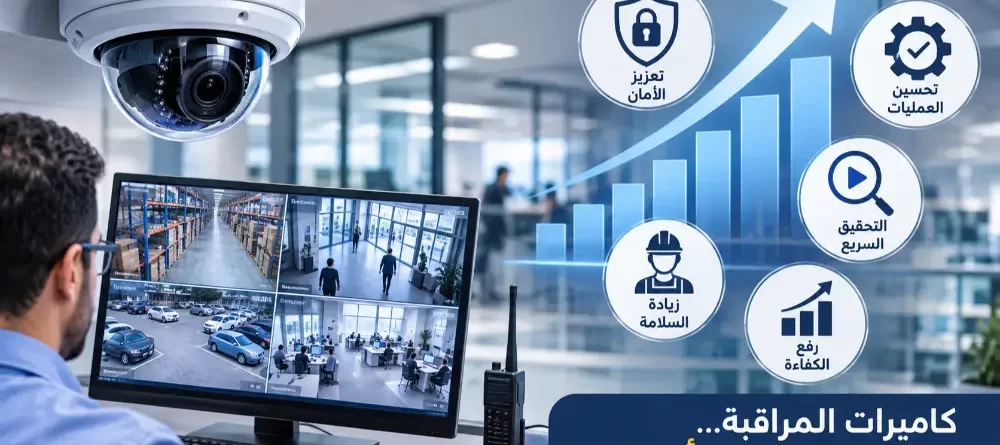
Centralized video management systems can help monitor these locations. They provide a unified interface for authorized users. Their capabilities depend on system design and network capacity.
Management teams can monitor entrances and delivery areas. They can also oversee important equipment. This makes it easier to focus on locations that need regular attention.
Managers can also compare performance across branches. If a problem keeps occurring at one location, they can investigate its causes. They can review footage when unusual activity appears. This helps address the source of the problem.
Centralized management requires careful planning. Businesses must consider network capacity and system availability. They must also define access permissions. Local team responsibilities should be clear.
Cybersecurity remains essential. A well-designed system gives management clear visibility. It also supports easier daily use. It should not introduce unnecessary complexity.
4. Using Video Analytics to Identify Recurring Patterns
Some modern surveillance systems include video analytics. Available features depend on the hardware and software in use.
Some systems can detect movement in selected areas. They may identify activity outside working hours. They can also detect virtual line crossings. Certain systems can send alerts when predefined conditions are met.
These technologies reduce the need to monitor every camera continuously. Instead, they direct operators’ attention to important events.
For example, a system can send an alert when movement occurs in a restricted area. The alert can be configured for after-hours activity. Logistics facilities can also monitor activity near loading areas. This is useful when no operations are scheduled.
However, video analytics are not equally accurate in every situation. Lighting and camera placement can affect results. Environmental conditions and software settings also matter.
Businesses should test the system at the actual site. Alerts should be verified before decisions are made. Human review remains essential. This is especially important when decisions affect employees or customers.
5. Strengthening Workplace Safety and Awareness
Security and workplace safety are closely connected. Cameras can help authorized teams review incidents. They may also reveal unsafe practices. In addition, they can support reviews of workplace procedures.
Suitable camera coverage provides better visibility in factories and warehouses. It can also help monitor parking areas. This allows management to identify recurring risks.
For example, congestion in vehicle routes may indicate a traffic management problem. Recordings may also reveal blocked entrances. These issues could result from the site layout. They may also be linked to storage practices.
These observations help businesses take corrective action. They also support employee training. In addition, they can improve operating procedures.
However, cameras cannot replace basic safety measures. They do not replace protective equipment. They cannot replace risk assessments or employee training. Physical safety measures remain necessary.
Video surveillance is most useful when recordings support workplace improvements. It can also help reduce the risk of recurring incidents.
6. Protecting Privacy and Managing Video Recordings Responsibly
More cameras do not always mean better security. Excessive recording can increase costs. It may also raise privacy concerns. In addition, it creates more data management work.
Businesses therefore need a clear surveillance policy. This policy should be prepared before expanding camera coverage or adding new devices.
The policy should explain the purpose of monitoring. It should identify the areas covered by cameras. It must also define who can access recordings. Retention periods should be clear. The rules for reviewing and sharing footage should also be documented.
Access should be limited to authorized personnel. Each user should ideally have a separate account. Permissions should match each person’s responsibilities.
Default login credentials must be changed. Software should be updated regularly. Remote access settings must also be secured.
Businesses should review applicable privacy and data protection laws. These may include rules for employee monitoring. They may also cover sensitive areas and the sharing of recordings.
A clear policy helps employees understand why cameras are used. It also explains how recordings are handled. This helps businesses balance security with privacy.
7. Integrating Video Surveillance with Existing Business Systems
Video surveillance becomes more useful when connected to other security systems. This depends on device and software compatibility. System design also plays an important role.
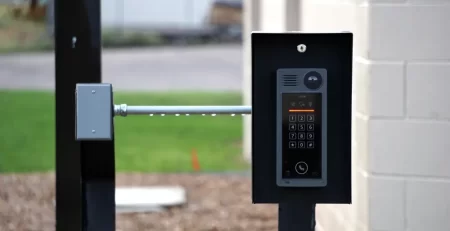
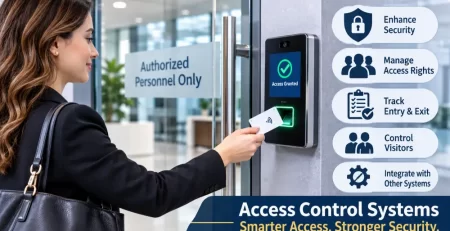
Integration may include access control systems. It can also include alarm systems and intercom devices. Some solutions connect with centralized security management platforms.
For example, an access control system may record an unauthorized entry attempt. An operator can then review the related camera footage. This requires the system to support the feature.
When an alarm is triggered, recordings can help response teams assess the situation. They provide useful information about the event. This may help teams respond more quickly.
Integration reduces the need to switch between separate platforms. It also supports coordination between security and facility management teams.
Businesses must confirm system compatibility before installation. They should review the available features. They should also identify any additional licenses or equipment needed. Future maintenance must be considered as well.
An integrated system should make facility management easier. It should not introduce tools that are difficult to operate.
8. Building a Practical Video Surveillance Strategy
Businesses should define their surveillance objectives before buying equipment. Good planning helps them choose the right solution.
Identify Operational Priorities
Identify important risks and locations. Review recurring incidents across the facility. Do not install cameras simply because a location is available. Every camera should have a clear purpose.
Assess the Operating Environment
Review lighting and facility entrances. Check viewing distances. Make sure the required network is available. Environmental conditions and site design must also be considered.
Define Coverage Requirements
Identify areas that need general visibility. Then identify locations that require clearer details. Some areas may need higher-resolution recordings.
Plan Recording and Storage
Estimate storage requirements before selecting the system. These depend on the number of cameras and image quality. Recording settings also affect storage needs. Operating hours and retention periods matter too.
Define Access Permissions and Security
Decide who can view live footage. Clarify who can review or export recordings. A responsible person should also manage system settings.
Test the System After Installation
Test camera viewing angles. Check recording quality. Confirm that the date and time are accurate. Also test recording playback and remote access. Do not forget alerts and integrated systems.
Establish a Regular Maintenance Schedule
Inspect equipment regularly. Clean camera lenses when needed. Review storage capacity. Keep software updated. Core system functions should also be tested regularly.
Good planning directs investment toward real business needs. It also reduces the risk of problems appearing after installation.
9. Measuring the Operational and Business Value of Surveillance Systems
Camera count alone is not enough to evaluate a surveillance system. Businesses should measure how well it meets their objectives.
Companies can track clear performance indicators. One example is the time needed to find recordings. They can also measure recording availability when needed. Equipment failures should be monitored as well. Investigation time is another useful measure.
Other indicators may include recurring security incidents. Businesses can also assess how effectively alerts are handled. They may track operational problems resolved after reviewing authorized footage.
Relevant indicators vary by business type. Retail stores may focus on reducing losses and resolving incidents quickly. Warehouses may focus on asset protection and operational oversight.
Regular reviews help management assess system performance. They also show when upgrades are needed as business requirements change.
Conclusion
The benefits of video surveillance go beyond recording images. These systems can support incident investigations. They also help monitor facilities and improve safety awareness. They may also reveal recurring operational problems.
Achieving these benefits requires more than choosing cameras. Businesses must first understand their risks. They must then design a suitable system. Recordings must be secured and managed properly. Technical support and maintenance remain essential.
The solution should match the organization’s operations. It must meet current needs. It should also support future expansion.
Want to Improve Security and Operational Visibility Across Your Facility?
Poor camera coverage can leave gaps in your security system. Choose a surveillance solution that suits your facility. Make sure it meets your current operational needs. Also consider your future expansion plans.
Contact a security and surveillance specialist. Request an assessment of your site. Identify the areas that need better coverage. Then build a strategy that turns clear visibility into real business value.
provides security and surveillance solutions. We help protect your facility. We also support better operational management.